
CCTV News:According to Japanese media reports on the 24th, according to relevant sources, the Japanese government and Tokyo Electric Power Company have decided to "discharge the nuclear polluted water from the Fukushima Daiichi nuclear power plant to the offshore through the submarine tunnel". It is said that the reason for adopting this discharge method is that it is easier for nuclear polluted water to spread in the ocean.
It is said that such discharge makes it easier for nuclear polluted water to spread in the ocean.
Affected by the earthquake and tsunami in 2011, the cores of Units 1-3 of the Fukushima Daiichi Nuclear Power Plant in Japan melted down. As of March this year, 1.25 million tons of nuclear polluted water has been produced in the nuclear power plant, including the water injected to cool these cores and the groundwater and rainwater continuously flowing in the surrounding areas, and it is still increasing.
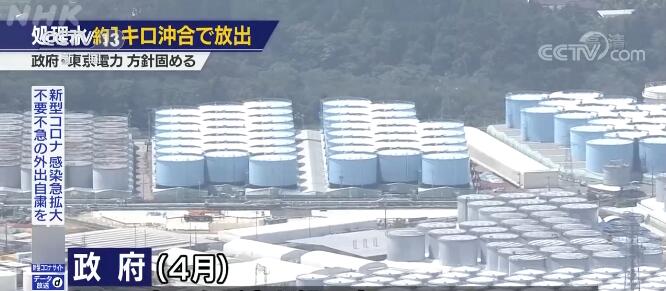
In April this year, despite the strong opposition of the international community, the Japanese government still made a decision, saying that it would filter and dilute the nuclear polluted water and discharge it into the sea. It is said that the discharge will start in about two years, and it is expected to last for 20 to 30 years until the waste heap work is completed.
According to reports quoted by Japanese media on the 24th, the Japanese government and TEPCO have studied two schemes for discharging nuclear polluted water, one is to discharge it to the offshore about 1km away from the nuclear power plant through the subsea tunnel, and the other is to discharge it directly from the coast. According to relevant sources, the Japanese government and TEPCO have decided to adopt the scheme of "discharging to the offshore through the submarine tunnel", allegedly on the grounds that this discharge mode "makes it easier for nuclear polluted water to spread in the ocean".
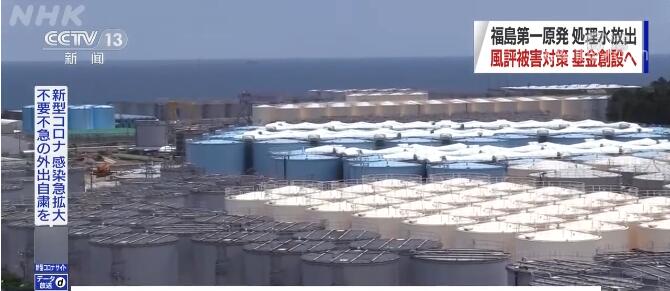
The report also said that due to the need for stable underground rock strata for the construction of the subsea tunnel, TEPCO decided to start magnetic exploration of relevant seabed conditions in September, and then carry out drilling survey to confirm the geological structure. TEPCO will also submit an application for implementing the plan to the Japan Atomic Energy Regulatory Commission in September.
Ten years after nuclear polluted water enters the sea, it will affect the global waters.
In what way will radioactive substances affect the ocean by directly dumping nuclear polluted water into the sea?
The so-called nuclear polluted water refers to the cooling water continuously injected into the reactor to prevent the core from melting after the accident at Fukushima nuclear power plant. In addition, rainwater and groundwater will flow in automatically. At present, Fukushima nuclear facility will produce 140 tons of nuclear polluted water every day. Nuclear contaminated water containing radioactive substances will be sent to "multi-nuclide removal equipment" for purification. 62 kinds of radioactive substances such as cesium and strontium contained in nuclear waste water will be absorbed, but radioactive elements including tritium are difficult to be completely removed.
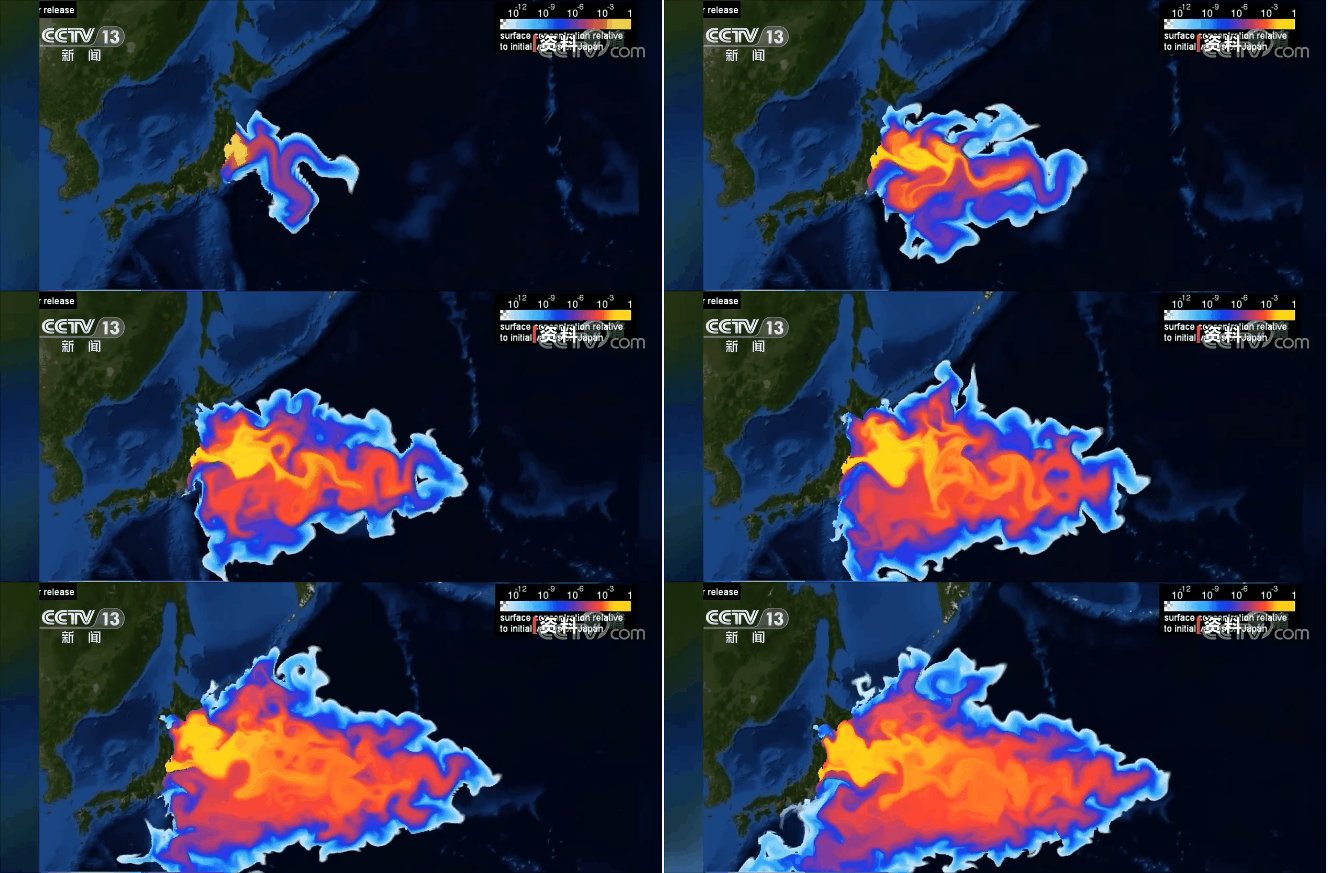
The German marine scientific research institute pointed out that the Fukushima coast has the strongest ocean current in the world. Within 57 days from the date of discharge, radioactive materials will spread to most parts of the Pacific Ocean, three years later, the United States and Canada will be affected by nuclear pollution, and 10 years later, it will spread to the global waters.
Japanese Fishermen: The position of resolute opposition has not changed.
The discharge of nuclear polluted water from Fukushima, Japan, is related to the safety of the global marine ecological environment and the lives and health of people in all countries. The international community generally expresses strong concern about the possible impact of this move by Japan, and fishery practitioners from all over Japan, led by Fukushima Prefecture, have also been strongly opposed.
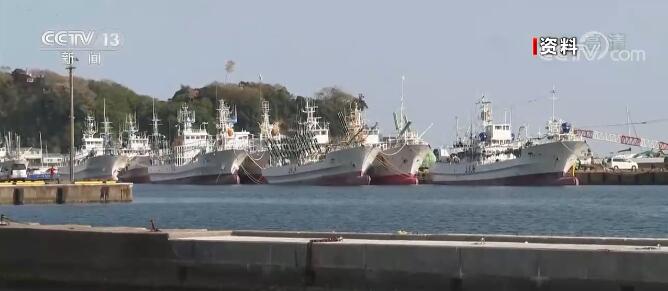
The head of the Federation of Fishery Synergies in Fukushima Prefecture said on the 24th that the organization’s position of resolutely opposing the discharge of nuclear polluted water into the ocean has not changed. On the same day, the president of the Japan National Federation of Fishery Cooperatives also issued a statement saying that the organization had asked the Japanese government to "make a responsible explanation" on the scheme of discharging nuclear polluted water into the sea, but so far it has not received a specific reply.
The reputation of fishery is damaged. The Japanese government says it plans to spend money on seafood.
The Japanese government held a meeting on issues related to the discharge of nuclear polluted water into the sea on the 24th, and said that if the discharge of nuclear polluted water into the sea leads to the damage of Japan’s fishery image, the decline in demand for seafood, the decrease in sales and the decline in prices, the government will use state financial funds to purchase seafood.
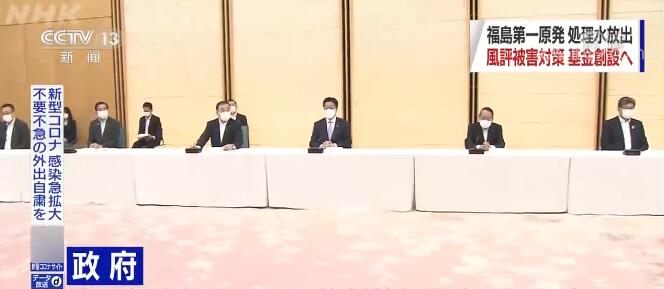
According to the plan, once the sales of Japanese seafood at home and abroad drop significantly, the government will temporarily purchase and preserve frozen seafood through newly established funds, which will help expand the sales of unfrozen seafood.

关于作者